


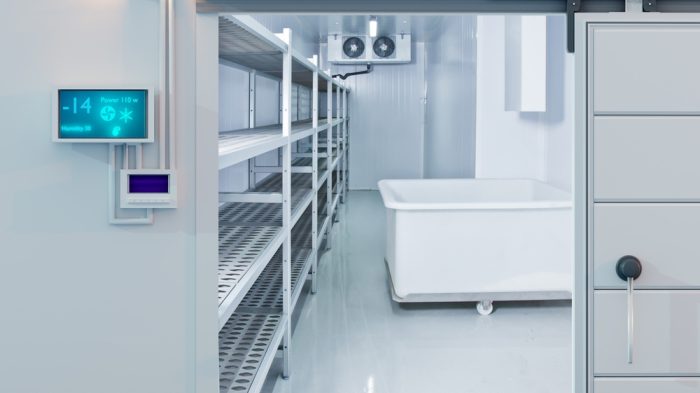
People usually don’t notice refrigeration systems until something goes wrong. When refrigeration equipment breaks down, the effects are felt right away, like melted ice, spoiled goods, and expensive delays.
That’s why skilled refrigeration operators are needed across Canada. For many people, the Refrigeration Plant Operator Course is the first step to understanding these systems and beginning a career in facility operations.
What Is a Refrigeration Operator Course?
A 5th Class Refrigeration Operator course covers the basics of operating refrigeration plants, safety practices, and how these systems function. Rather than focusing on advanced engineering, the course provides practical knowledge to help operators understand and safely manage refrigeration systems.
Students learn key topics such as refrigeration basics, how equipment works, refrigerant awareness, safety steps, regulations, and basic troubleshooting. This is intentional training that prepares people for jobs in refrigeration, facility maintenance, and related trades such as power engineering.
Who Typically Takes a Refrigeration Operator Course?
Many people think refrigeration training is only for those who want to work in industrial plants, but that’s not true. In reality, students come from a wide range of industries and backgrounds.
Arena and Recreation Centre Operators
Ice arenas are some of the most common places that need people with refrigeration knowledge.
Every ice rink relies on refrigeration systems running all the time to keep the ice in good condition. Cities and recreation centers need trained operators to maintain these systems and ensure everything remains safe and functional.
Food Processing and Cold Storage Facilities
Food processors, cold storage warehouses, and distribution centers use refrigeration systems daily. Maintaining the right temperatures protects product quality, keeps food safe, and helps prevent costly losses. For this reason, many employers pay for refrigeration training so their staff can learn more and reduce risks. TFM hosts a one-day refrigeration safety awareness training for all facility staff to maintain higher safety standards throughout your organization.
Facility Maintenance Personnel
Building operators and maintenance teams often take refrigeration training to build their skills and take on more responsibilities at work.
Learning more about mechanical systems can lead to new job opportunities and make your career more flexible.
Career Changers
Many successful operators started their careers in other fields before switching to refrigeration. The TFMCI Refrigeration Plant Operator Program notes that students in Refrigeration courses want the technical knowledge and skills needed for a career in power engineering. These students are interested in technical systems and hands-on problem-solving.
Understanding the Difference Between Ammonia and Freon Systems
One important thing students learn is that not all refrigeration systems work the same way.
Ammonia Refrigeration Systems
Ammonia is widely used in industrial refrigeration because it performs well and is cost-effective.
You can often find ammonia systems in:
- Food processing facilities
- Cold storage warehouses
- Industrial refrigeration plants
- Arenas
However, ammonia requires special safety knowledge. Operators need to know emergency procedures, exposure risks, and safe ways to handle them.
Freon-Based Refrigeration Systems
Freon and similar synthetic refrigerants are often used where the public is present. Compared to ammonia, they usually have fewer immediate safety risks, but they tend to cost more and are less efficient in big industrial settings.
Knowing the differences between refrigeration systems helps operators work more safely and effectively in different settings.
What Kind of Jobs Can a Refrigeration Operator Get?
The Government of Canada Job Bank says people with refrigeration training, like a Refrigeration Course, can find jobs as refrigeration technicians and in related roles in facility operations, building maintenance, and industrial settings. The job outlook for these positions was last updated in December, 2025.
For many students, refrigeration training is their first step into facility operations.
Potential career paths may include:
- Arena Operator
- Recreation Facility Operator
- Maintenance Technician
- Building Operator
- Refrigeration Plant Assistant
Many operators continue their education and earn more certifications in refrigeration or Power Engineering.
The skills you gain as a Refrigeration Operator can also help in facility management and industrial jobs.
Is a Refrigeration Operator Course Worth It?
If you enjoy working with mechanical systems, facility operations, or technical jobs, a Refrigeration Plant Operator Course is a great place to start. This training gives you practical knowledge, teaches important safety principles, and helps you understand the systems that keep many key Canadian facilities running.
Explore Refrigeration Training with TFM
Whether you want to advance in your current job, explore a new career, or prepare for additional certifications, refrigeration training can open doors in many industries.
Interested in learning more? Take a look at TFM Consultants International’s upcoming refrigeration training and see how hands-on experience can help you feel more confident in refrigeration work.