


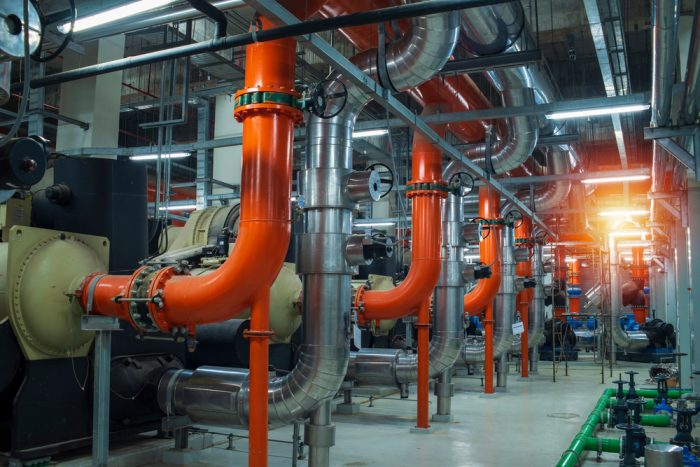
Refrigeration systems are vital for temperature control in many industries. Food processing, cold storage, beverage production, and recreational facilities rely on their continuous operation. Professional power engineers are needed to maintain these systems safely and effectively.
Unqualified personnel are more likely to make mistakes in refrigeration operations. Small missteps, like improper pressure adjustments or missed inspections, can escalate. Improper operation leads to equipment damage, product loss, regulatory issues, and hazards. Proper training is essential for facilities that depend on refrigeration.
Where You’ll Find Refrigeration Operators
Refrigeration plant operators oversee the safe and efficient operation of compressors, condensers, evaporators, pumps, and valves. They monitor refrigerant pressures, temperature differentials, oil levels, and safety controls. They also identify early warning signs of leaks, mechanical wear, or abnormal system conditions.
When something goes wrong, the operator must diagnose the issue quickly and take corrective action. This requires both technical knowledge and practical experience, which is why structured training is essential. TFM trains 4th class power engineers and refrigeration operators with real-life examples and instructors who have worked in and are currently working in the industry, sharing their hands-on knowledge.
Complicated Refrigeration Systems
Industrial refrigeration plants use ammonia or synthetic refrigerants. Ammonia is efficient but hazardous if released. Synthetic refrigerants are usually less hazardous but still require skilled operators. Improper handling can cause failures, leaks, and costly downtime. Both systems need knowledgeable personnel for safe operation.
Technical Safety BC provides incident reports as part of its commitment to safety with clients and the public. You’ll find that ammonia leaks are a common concern when not handled correctly. For example, in May 2022 at Arctic Glacier – Kamloops, “Failure to remove ammonia prior to system disassembly caused fatal ammonia release.” Due to personnel changes, miscommunication, and the exclusion of a certified refrigeration operator during disassembly, a fatality occurred, and a local evacuation was required.
Hidden Cost: Product Loss
Product loss is a common and expensive consequence of poor refrigeration operation. Cold storage facilities can hold millions of temperature-sensitive goods, and even brief failures result in spoiled or unsafe products.
During BC’s agricultural peak seasons, these losses can be devastating. Qualified operators help prevent these failures by identifying system issues early and maintaining stable operating conditions.
Regulation and Operator Requirements in Canada
In Canada, refrigeration plants are regulated by provincial authorities such as Technical Safety BC, which oversees pressure equipment, inspections, and operator competency. Many facilities require operators to hold recognized certifications or complete approved refrigeration‑operator training to ensure safe system operation.
Training and Shift Coverage
Operating refrigeration equipment safely requires more than basic mechanical knowledge. A structured operator course provides the skills needed to understand system components, monitor conditions, and respond to abnormal situations.
TFM Consulting International supports facilities through our temporary and seasonal employment services for refrigeration plants. As well as professional consultation support for facilities looking to upgrade their safety and standard operating procedures.
With trained operators and reliable coverage, facilities can avoid costly mistakes and maintain safe, stable refrigeration systems.
To ensure safe and reliable refrigeration operations or if you need certified operators for shift coverage, contact TFM today to discuss your facility’s needs and get started.