


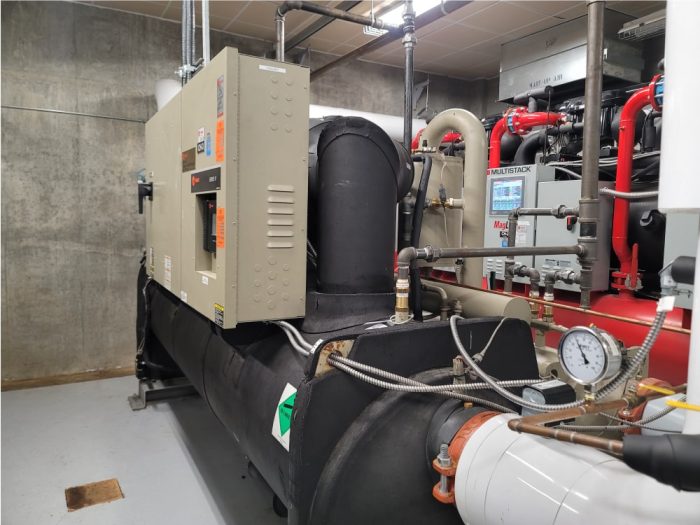
Many believe a 4th class power engineer just watches boilers and maintains equipment, but the role is much broader and more hands-on than most expect.
In facilities, 4th Class power engineers support all plant operations. They perform preventative maintenance, document compliance, troubleshoot issues, and maintain a safe, stable environment. Their work blends operations, maintenance, and safety, making them vital to building reliability.
Understanding these lesser-known aspects of the role helps future engineers know what to expect and why skills beyond equipment monitoring are needed. A 4th class power engineer is much more than a boiler operator; they require diverse skills every day.
The Core Roles of a 4th Class Power Engineer
Before exploring the responsibilities that surprise new plant operators, it’s important to understand the role’s foundation.
A certified 4th Class Power Engineer is qualified to operate and monitor regulated boiler and refrigeration plants. Their core duties typically include:
- Monitoring pressure equipment, temperatures, and operating conditions
- Performing routine equipment checks
- Recording plant activity in logbooks
- Responding to alarms or abnormal conditions
These tasks keep operations safe and efficient, but they are just the basics of an operator’s day-to-day work.
1. Preventative Maintenance
Power Engineering Training prepares you for how much of the job involves hands-on preventative maintenance. Preventative maintenance minimizes downtime and keeps the plant running reliably and efficiently.
Beyond monitoring equipment, operators often perform routine tasks that help prevent breakdowns and extend equipment life, such as:
- Inspecting pumps, motors, and rotating equipment
- Testing safety devices
- Cleaning and maintaining components
- Lubricating mechanical equipment
2. Logbooks: Plant Operations and Safety Compliance
Another critical responsibility is maintaining accurate, detailed plant records. Boiler and refrigeration operators must keep logbooks that document daily operations, including:
- Startup and shutdown procedures
- Operating pressure equipment and temperatures
- Water treatment activities
- Maintenance performed during shifts, previous shift or planned for future shifts
- Alarms, trips, or abnormal conditions
Because these logs serve as legal documents, precision and consistency are crucial for compliance. Maintaining accurate records protects the facility and operator from potential disputes or liabilities.
3. Plant Safety and Procedures
4th class power engineers must follow established Standard Operating Procedures (SOPs) and ensure equipment is operated correctly. This includes:
- Following proper startup and shutdown sequences
- Verifying safety devices’ functions
- Monitoring for leaks, unusual noises, or unsafe conditions
Following SOPs reduces risk and maintains a safe environment for everyone.
4. Communication and Coordination with Colleagues
Although the role is technical, it’s also highly collaborative. Operators regularly communicate with other shift power engineers, maintenance teams, supervisors, chief engineers, and contractors who are completing specialized work.
Clear communication matters most during shift handovers, when responsibility transfers to the next operator. It’s important to summarize key takeaways and clearly identify outstanding issues before passing them on to the next person.
Why These Responsibilities Matter
Facilities rely on trained operators to ensure safe, stable, and efficient operations across entire systems. By training your technical knowledge, observation skills, and preventative maintenance practices, as a 4th class power engineer, you’ll help prevent equipment failures, safety incidents, and costly downtime.
This is why certified operators are essential in many industries; they are vital for reliable, efficient, and safe facility operation. 4th class power engineers are indispensable across industries.
TFM Prepares You For Your Role
Anyone considering this career should know the full scope. A 4th class power engineer does much more than monitor gauges; the job demands attention to detail, a safety focus, and the ability to handle many tasks each shift.
These experiences provide the skills needed for advancement to higher certifications and senior plant roles. If you’re ready to take on the roles of a 4th class power engineer, contact TFM today or register online for upcoming courses.