


People searching for Class 5 power engineering are often asking a few practical questions: What does a fifth class power engineer do? Do you need a degree? Where can the certification lead be found, and how difficult is the training?
The fifth class is an entry point into Canada’s power engineering certification system. It introduces the knowledge needed to operate and maintain boilers, heating systems, and related plant systems safely. For career changers, building operators, and people already working around mechanical equipment, it can provide a focused route into greater operational responsibility.
Class 5 Power Engineering
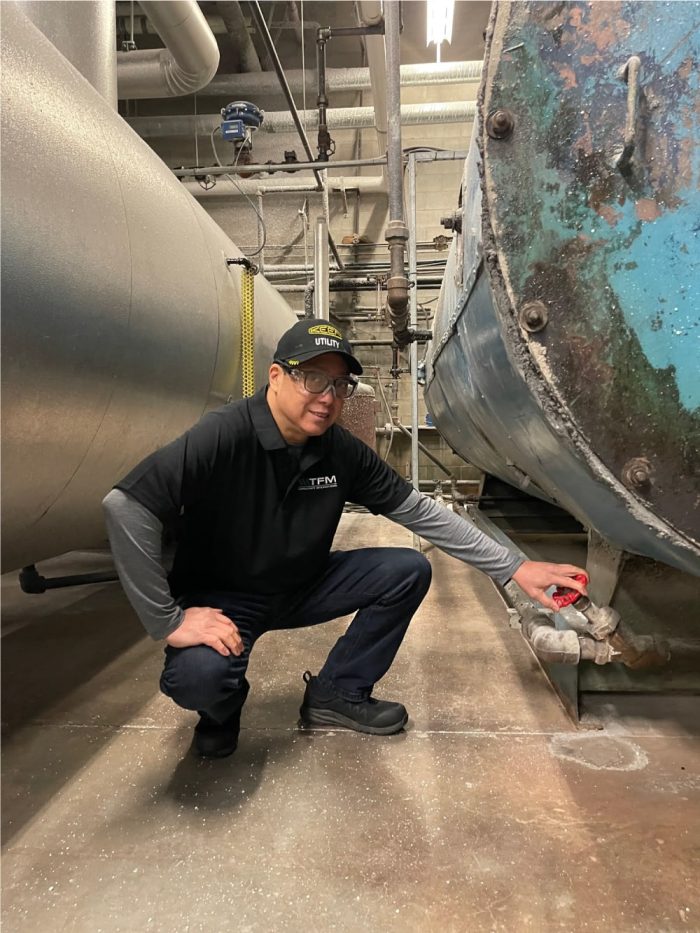
Despite the name, power engineering is not primarily about designing electrical systems. Power engineers operate and maintain equipment that produces or distributes heat, steam, power or refrigeration. Depending on the facility, this can include boilers, pumps, compressors, controls, heating systems and water-treatment equipment.
Daily work may involve inspecting equipment, recording readings, testing safety devices, checking water conditions, responding to alarms and maintaining accurate logs. A power engineer must understand what normal operation looks like and recognize when changing conditions require attention.
That combination of technical knowledge, observation and judgment is why training needs to prepare you for more than an exam.
Do You Need a Degree for Class 5 Power Engineering?
A university degree is generally not required to pursue fifth class certification. Instead, candidates follow the pathway established by their provincial regulator. Depending on the province, that pathway may include recognized education, a certification examination and verified plant experience.
Provincial differences matter. British Columbia certification is administered by Technical Safety BC, while Alberta certification is administered by ABSA. If you hope to study in one province and work in another, confirm how the course and resulting qualifications will be recognized before enrolling.
A knowledgeable training provider should clearly explain what the course covers and what you will still need to do afterward.
Is Fifth Class Power Engineering Difficult?
The material is manageable for beginners, but it requires consistent study. Students encounter applied mathematics, basic science, thermodynamics, boiler construction, combustion, electricity, pumps and safety procedures. Some topics may be unfamiliar at first, especially if you have been away from school or have not worked around mechanical systems.
Industry-led instruction can make these subjects easier to understand. Instead of learning a formula in isolation, you can see how it relates to pressure, temperature, efficiency or safe equipment operation. Practice questions are valuable, but the goal should be a working understanding that remains useful after the exam.
Where Can Fifth Class Training Lead?
Fifth Class Power Engineers may work in facilities with smaller regulated plants, including commercial and institutional buildings. The certificate may also complement experience in building operations, maintenance or facilities management.
For some learners, Fifth Class is a practical career destination. For others, it is the beginning of ongoing training for higher-level power engineering classes and greater plant responsibilities. Your opportunities will depend on provincial regulations, operating experience and employer requirements.
Begin With Specialized Power Engineering Training
TFM is Canada’s only training organization dedicated exclusively to Power Engineering. Courses are taught by industry professionals who connect technical content with the decisions operators make in real facilities.
Explore the 5th Class Power Engineer program, review upcoming training on TFM’s course schedule or contact TFM to discuss the best starting point for your goals.