


Choose TFM’s 5th Class Power Engineer Course
Under every working hospital, pulp mill, and community heating system, there is a power engineer, the ‘hidden hero’ who ensures that safety systems and essential industrial processes keep running. If you want to begin a career in this important field, it is not enough just to select the first course that suits your timetable.
The right 5th class power engineer course should prepare you for the certification exam, give you a thorough understanding of how plant systems function, and assist you in meeting the practical experience requirements that apply in your particular province.
The Importance of Integrated Curriculum
When you look at training options, focus on how well they prepare you for real industry work, not just on time or cost. General courses often skip over how actual equipment works. At TFMCI, we use an integrated approach that connects theory, safety rules, and operational practices, so your training is directly applicable on the job, where accuracy and proven skills matter.
Online courses can make the training more accessible, particularly when you are employed, switching careers or living outside a major city. Nevertheless, not all programs offer the same level of industry knowledge or student support. So, when deciding on a method of enrolment, whether online or in person, think about how well the course links technical theory, exam preparation and practical experience from real plants.
This article will discuss the requirements for becoming a 5th class power engineer and the differences TFM students encounter, whether they are studying online or face-to-face. It should help you make your decision and take the next step towards becoming a 5th-class power engineer.
The 5th Class Power Engineer Requirements
Certification requirements for power engineers vary by province. Before you choose a course, make sure the training matches the certification rules for the work you want to do.
Understanding Your Provincial Certification Pathway
It’s important to ensure your training meets the requirements of provincial authorities such as Technical Safety BC or the Alberta Boilers Safety Association (ABSA). Certification involves education, exams, and verified operating experience. Choosing a course provider who understands these details helps you avoid problems and makes sure your experience counts toward your certification.
In British Columbia, power engineer certification is administered by Technical Safety BC. To earn a 5th class power engineer certificate of qualification, applicants must meet the education eligibility requirements, pass the required examination and complete qualifying work experience or firing time. Because certification requirements may change, students should review the latest information from Technical Safety BC before beginning their training.
In Alberta, power engineer certification is administered by the Alberta Boilers Safety Association (ABSA). The process may include approved education, certification examinations and qualifying operating experience. Requirements can change, so students should review the latest information from their provincial safety authority before beginning.
A good training school should explain how its course fits into the certification process. It should also make it clear what you’ll achieve by finishing the course. For example, completing the theory part doesn’t always mean you’ve met all the certification requirements.
TFMCI helps students understand the entire educational process so you can plan for both the academic and practical aspects of becoming a power engineer.
Training Led by Industry Professionals
Power engineering covers technical topics like boilers, thermodynamics, safety procedures, pumps, and plant equipment. These subjects are easier to learn when instructors link the theory to real situations you might face in a plant. Our instructors have real industry experience. They can show you not just how systems work, but also why certain procedures, calculations, and safety steps are important on the job.
At TFM, we focus on building real skills instead of just hoping you pick things up as you go. Our instructors work in the industry and understand what operators face, including during late-night shifts in complex plants. By connecting technical theory to real-world operational problems and safety practices, we help you develop the judgment needed in high-stakes environments such as petrochemical plants.
TFM is Canada’s only training organization focused exclusively on Power Engineering and custom operational consulting. This specialized focus helps students build an understanding of the profession rather than simply memorizing information for an examination.
The 5th Class Power Engineer Online Learning Experience
One big advantage of online power engineering training is flexibility, but it’s important that this flexibility doesn’t mean less support. Before enrolling, find out how the course is delivered and what resources are included.
- Can you contact an instructor when you need clarification?
- Does the course include practice questions or exam-preparation material?
- Are technical concepts explained using practical examples?
- Can you complete the training around your current schedule?
- Is there a clear process for tracking your progress?
At TFM, the answer to these questions is always yes.
Support Beyond the Screen
Good online training should give you more than just textbooks filled with information. TFM’s online courses offer a clear path with progress tracking and expert support, so you’re not just memorizing facts, you’re building a lasting foundation for your future job. Real flexibility means you can reach out to experts who explain technical ideas with real-world examples.
A strong online course should help you develop a working understanding of the material. Practice questions are useful, but they should reinforce the lessons rather than replace them.
Our goal is to ensure that you understand the equipment and the operating principles necessary to ensure safe plant operation.
5th Class Training And Work Experience
Online education can build your technical foundation, but power engineering is ultimately a hands-on occupation. Depending on your certification pathway, you may need qualifying operating experience in addition to completing coursework and passing the required examinations.
Bridging the Gap: Theory to Practice
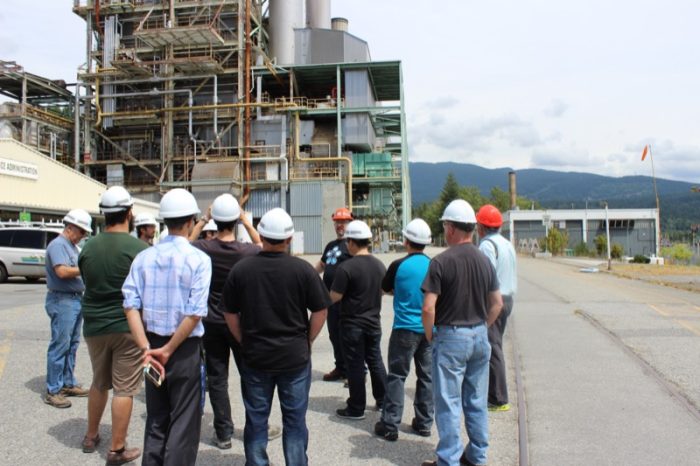
Power engineering is fundamentally a hands-on occupation where the cost of error can reach hundreds of thousands of dollars. Hands-on experience allows students to progress from shadowing to demonstrating their abilities in a safe, controlled environment.
TFM’s work experience program is specifically designed to bridge the gap between classroom theory and plant operation, providing students with the competency required by modern regulators and insurers.
This practical experience allows you to see how equipment operates in a real facility. It also helps you become familiar with daily inspections, operating procedures, safety expectations, and the responsibilities of a plant operator.
Finding an appropriate placement can be difficult if you are not already employed in the industry. When comparing schools, ask whether they offer guidance or programs that help students pursue the required experience.
TFM’s work experience program helps connect eligible students with practical learning opportunities. Space and eligibility requirements may apply, so it is important to discuss this part of your certification plan early.
Take the Next Step With TFM
The right 5th class power engineer course should give you more than information. It should provide a clear understanding of the certification process, access to knowledgeable instructors and a practical path toward your career goals.
Before registering, confirm the requirements in your province and ask how the course prepares you for examinations and operating experience. Taking the time to understand the full process can help you avoid surprises and move forward with confidence.
Your career is a long-term investment in safety and reliability. Contact TFM today to explore our 5th class power engineering training or to discuss how our integrated operator-development system can build a sustainable, professional career path for you in Canada’s most critical industries.