


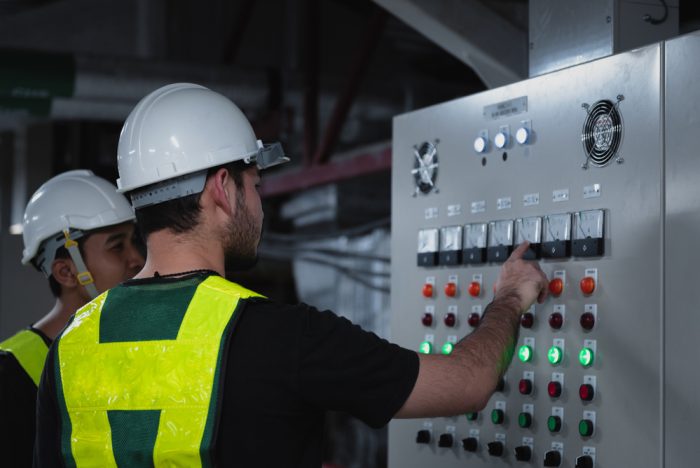
Starting a Refrigeration Plant Operator Course is an important step toward operating regulated refrigeration equipment in British Columbia. However, completing a course is not the same as receiving your certificate. The full pathway also involves an application, a certification exam and qualifying plant experience.
Planning these parts together can help you avoid a common problem: finishing your technical training without knowing where your operating experience will come from. This guide explains how to build a practical certification plan before classes begin.
Step 1: Decide Whether the RO Certificate Fits Your Goal
Begin with the type of facility and work you want to pursue. Refrigeration plants support arenas, food-processing operations, cold-storage facilities and other commercial or industrial sites. Operators may monitor equipment, record readings, respond to alarms, complete routine checks and follow procedures for abnormal conditions.
In BC, the Refrigeration Operator certificate allows its holder to serve as the person-in-charge of any type or size of refrigeration plant. That scope is broader than the Ice Facility Operator certificate, which applies specifically to ice facilities.
This does not mean a new graduate can immediately take responsibility for every plant. Employers also consider operating experience, familiarity with the equipment and readiness for the position. The certificate defines regulatory scope; experience helps develop practical judgment.
Step 2: Confirm That the Course Meets the Education Requirement
Technical Safety BC lists successful completion of an approved refrigeration operator course as one route for meeting the certificate’s general eligibility requirement. Before enrolling, confirm the program’s current approval status and what successful completion provides.
TFM’s Refrigeration Plant Operator Program is a 120-hour program delivered over three weeks. It is designed for learners with little or no previous experience and covers refrigeration fundamentals, thermodynamics, compressors, condensers, evaporators, pumps, controls, electrical systems, plant safety, maintenance, and logbooks.
Ask the training provider about:
- Course dates and daily schedule
- Attendance and completion requirements
- Included books and learning materials
- Instructor access and opportunities to ask questions
- Practice questions or exam-preparation support
- The amount of homework and study expected outside class
A condensed course can cover a large technical syllabus quickly. Planning study time before the program starts is just as important as reserving the class hours.
Step 3: Understand the Difference Between Training and Certification
The course prepares you for the next stages; it does not issue the provincial certificate. Technical Safety BC evaluates eligibility and administers the certification process.
The Refrigeration Operator exam currently contains 100 multiple-choice questions, allows three hours and requires a minimum score of 65%.
Applicants must first apply and be found eligible before booking an exam. Because requirements and fees can change, check the current Technical Safety BC Refrigeration Operator page when you are ready to apply.
Treat exam preparation as an extension of the course. Instead of memorizing isolated definitions, practice explaining how compressors, condensers, expansion devices and evaporators work together. Review calculations, safety requirements, controls, and plant administration topics throughout the program rather than leaving everything until the final week.
Step 4: Plan for Qualifying Operating Experience Early
To proceed with evaluation, Technical Safety BC currently requires at least 6 months of employment assisting with the operation of a qualifying refrigeration plant. Whether a plant qualifies depends on its refrigerant group and the prime mover’s nameplate capacity.
A commercial HVAC service role, a small refrigeration system and a qualifying stationary plant are not automatically equivalent for this requirement. Before relying on a position for experience:
- Identify the refrigerant used by the plant.
- Confirm the applicable prime-mover nameplate capacity.
- Compare the plant information with Technical Safety BC’s current criteria.
- Ask how your operating duties and dates will be documented.
Technical Safety BC uses its plant operating experience form as part of the evaluation process. Accurate records are easier to obtain while you are working than months after a supervisor or employer changes.
Step 5: Build Skills That Employers Can Use
Certification is the formal goal, but employers also look for people who can work safely and communicate clearly. During training and plant experience, pay attention to habits such as:
- Recording accurate readings and observations
- Following written procedures
- Recognizing a change from normal operation
- Knowing when to stop and escalate a concern
- Communicating during shift handovers
- Keeping work areas and records organized
These are not separate from technical learning. They are how operators apply their knowledge in an actual plant.
Build One Plan for All Three Requirements
The strongest approach is to treat education, examination, and operating experience as a single, connected project. Before registering, map out your course schedule, expected study time, exam application and potential route to qualifying plant experience.
TFM teaches its Refrigeration Plant Operator Course in a classroom-style environment led by experienced industry professionals. Review the current course schedule or contact TFM to discuss whether the program fits your certification plan.