


If you are working, living outside a major city or planning a career change, a 5th class power engineer online course may offer a more practical way to begin your training. However, online learning is only one part of the certification process. Before enrolling, you need to know what the course teaches, whether it supports your provincial pathway and how you will complete any required operating experience.
The best online option is not simply the one that lets you study from home. It should help you understand plant equipment, prepare for the certification exam and connect technical lessons to the work power engineers perform every day.
What Do You Learn in a 5th Class Power Engineer Online Course?
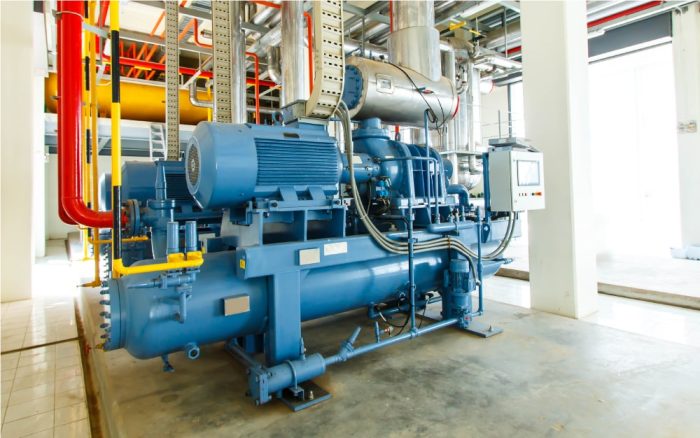
5th class training introduces the principles for operating and maintaining smaller boiler and heating plants safely. Course content may include boiler construction, thermodynamics, pumps, combustion, electricity, water treatment, heating and cooling systems, plant safety and logbook practices.
These subjects involve more than memorizing definitions. You need to understand how equipment and systems relate to one another. For example, a lesson on water treatment should help you recognize why scale or corrosion can affect boiler efficiency and reliability, not merely identify the correct answer on a practice test.
This is where instruction from active industry professionals makes a difference. Practical explanations help turn theory into knowledge you can use during plant inspections, equipment checks and abnormal operating conditions.
Is Online Training Enough for Certification?
Completing an online course does not necessarily make you a certified 5th class power engineer. Power engineering is regulated provincially, and requirements commonly include approved education, an examination and qualifying operating experience.
Before registering, review the current rules published by the authority in the province where you plan to work. Ask the training provider:
- Whether the course meets your province’s educational requirements
- How classes are delivered and whether instruction is live or self-paced
- Whether you can ask instructors questions in real time
- What exam-preparation resources are included
- What practical experience may you still need after the course
You should also confirm the delivery method offered for your chosen intake. Online, in-person and blended availability can change with course schedules.
How Do You Gain Practical Experience?
Online study can build your technical foundation, but it cannot replace every lesson learned inside an operating plant. Qualifying experience, also called Firing Time, helps you become familiar with inspections, safety procedures, controls, logbooks and the responsibility involved in operating regulated equipment.
Finding suitable experience can be challenging when you are not already employed at a plant. TFM’s Power Engineering Boiler Lab and Work Experience Program is designed to help eligible students bridge the gap between course theory and practical learning. Availability and eligibility may apply, so discuss this part of your plan early.
Build a Complete Training Plan With TFM
TFM is Canada’s only training organization focused exclusively on Power Engineering. Its instructors bring up-to-date industry knowledge into the learning environment, helping students understand both exam material and real-world operational responsibilities.
Explore TFM’s 5th Class Power Engineer course and contact the team to confirm current delivery options, provincial eligibility and practical experience considerations before enrolling