


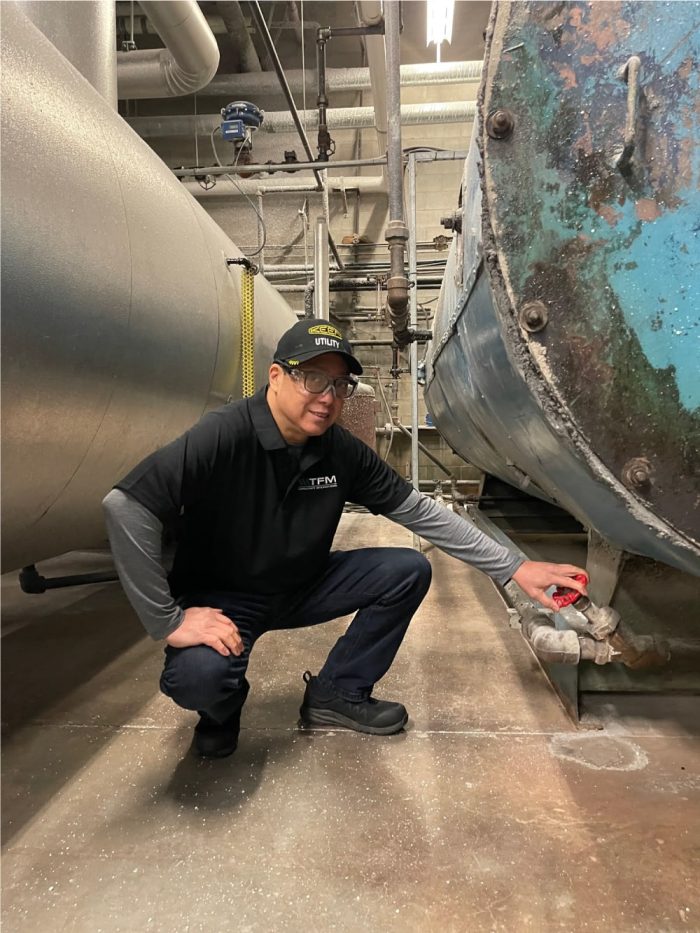
For many entering the field, earning a 5th class power engineer certificate is the true start to plant operations and building management. In commercial and residential settings, these engineers act as building operators, accountable for the mechanical systems that keep occupants safe, warm, and comfortable.
Technical training covers how boilers and mechanical systems operate, but success in the field requires something deeper: proactivity. Top building operators don’t wait for equipment to fail. They anticipate issues, monitor system performance, and service equipment before problems escalate. These habits enhance building reliability and help operators gain experience for higher certifications.
The Role of a 5th Class Power Engineer
In many facilities, 5th class engineers supervise smaller boilers, heating loops, domestic hot water systems, and ventilation units, and they report to chief engineers in larger facilities. While smaller systems may lack the complexity of large industrial plants, they still require trained operators who understand their operation and maintenance to ensure safe functioning.
A building operator’s duties typically include monitoring heating and mechanical systems, inspecting equipment for early trouble signs, conducting routine maintenance, and resolving issues reported by tenants or staff. Since many operators work alone, their organizational skills and ability to foresee problems are among their greatest assets.
Regular Equipment Inspections
Daily walkthroughs remain one of the most direct and effective ways for operators to preempt potential issues. These inspections let operators assess system conditions firsthand, like hearing an unusual pump noise, gauging a motor’s temperature, detecting the scent of overheated wiring, or spotting a forming leak.
Even subtle shifts can signal an emerging problem. A pump vibrating unusually, a boiler cycling more frequently, or a pressure reading deviating from its normal range can all alert operators to the need for maintenance. By spotting these signs early, operators stop minor issues from becoming major failures.
Preventative Maintenance
Preventative maintenance forms the backbone of proactive building management. Instead of letting equipment break down, operators complete routine tasks; replacing filters, lubricating motors, tightening belts, cleaning coils, and testing safety controls, to sustain smooth operation.
Though these tasks seem minor, they heavily influence system reliability. A clean filter boosts airflow and eases fan load. Proper lubrication reduces motor wear. Testing safety devices ensures that equipment shuts down correctly in abnormal conditions. Over time, these practices extend equipment life and minimize urgent repairs.
Monitoring System Performance
In buildings that rely on boilers, operators must regularly monitor pressure, temperature, and water levels to ensure the system remains within safe operating limits. Depending on the design, operators may also perform blowdowns or water treatment to protect the boiler from scale and corrosion.
As a 5th class power engineer, you understand that stable boiler operation directly impacts occupant comfort, especially during winter. A proactive operator documents various trends, such as a boiler taking longer to heat up or a recent pressure fluctuation, and investigates before the issue becomes disruptive.
Safety Awareness
Even in smaller facilities, safety remains essential. Building operators must follow established procedures around mechanical equipment, electrical systems, and pressurized parts. Being proactive about safety also means knowing when a repair exceeds one’s expertise and calling qualified contractors.
Operators Keep Buildings Running
While technical knowledge is vital, day-to-day success as a building operator depends on alertness, consistency, and readiness. By regularly inspecting equipment, proactively maintaining systems, and responding quickly to new problems, 5th class power engineers keep buildings safe, efficient, and comfortable, positioning themselves for lasting success in the field.
Start Your Power Engineering Career Here
Start your journey today with the 5th class power engineering training at TFM. Call us or register online and take the first step to a long, fulfilling career in power engineering. TFM also offers one-day seminars on boiler and refrigeration safety basics. These seminars will help improve your basic knowledge and skills.